Discover the Craft: The Science and Artistry of Beer Ingredients
Uncover the fascinating journey of hops, malt, yeast, and water as they come together to create the unique flavors and character of beer. Dive into the intricate world of brewing with us.
Hops: The Flavor Architects
Malt: The Backbone of Beer
Yeast: The Fermentation Artists

The Essence of Brewing: Ingredients That Matter
At Compass & Pint, we believe that every great beer begins with its ingredients. Each component—hops, malt, yeast, and water—plays a crucial role in the brewing process, shaping the taste, aroma, and texture of the final product. Understanding these ingredients allows us to appreciate the craftsmanship and science behind every pint, transforming simple elements into a symphony of flavors.
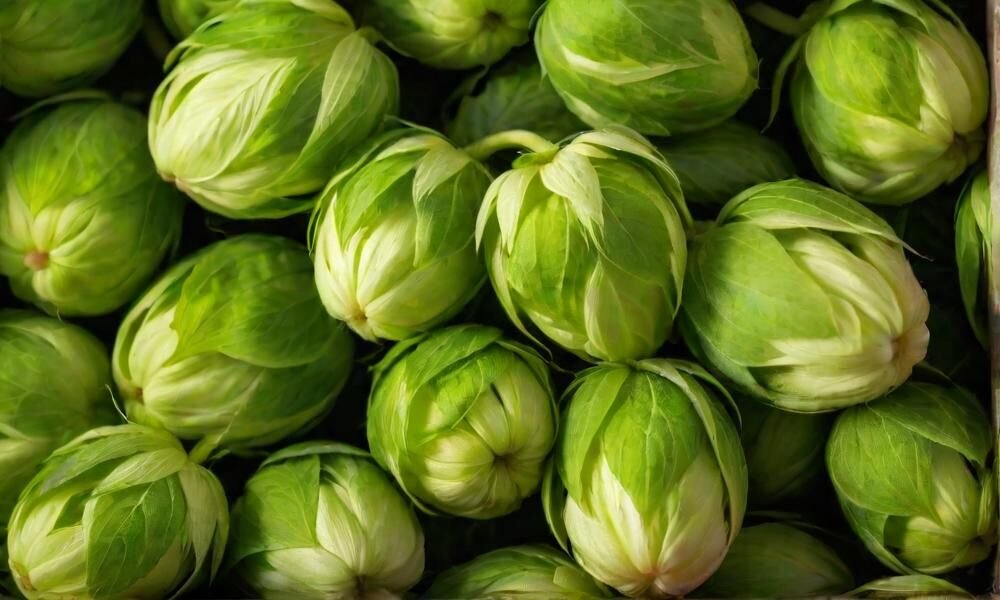
Hops: The Flavor Architects
Hops are the soul of beer, providing bitterness to balance the sweetness of malt and imparting a wide range of flavors and aromas. From citrusy and floral to earthy and spicy, hops add complexity and depth to every brew. Their essential oils and acids are pivotal in defining the character of different beer styles.
Hops Varieties and Their Impact
Different hop varieties bring unique profiles to the table. For instance, Cascade hops offer a floral, citrusy note, while Saaz hops are known for their delicate, herbal aroma. Brewers carefully select hop combinations to craft distinct and memorable beer experiences.
The Art of Hop Selection
Choosing the right hops is both an art and a science. Brewers must consider the alpha acid content, oil composition, and desired flavor profile. This meticulous selection process ensures that each batch of beer delivers a consistent and exceptional taste journey.

The Art of Malt
Malt is the backbone of beer, providing the sugars necessary for fermentation and influencing both color and flavor. Different types of malt, from pale to roasted, contribute unique characteristics, ranging from sweet and biscuity to rich and chocolatey. Understanding malt's role is essential for appreciating the depth and complexity of beer.
Types of Malt
There are several types of malt, each imparting distinct flavors and colors to the beer. Pale malt forms the base, offering a light, crisp profile. Specialty malts like caramel and chocolate add layers of sweetness and roasted notes, enhancing the beer's complexity and visual appeal.
Malt's Influence on Beer
The choice of malt can dramatically alter a beer's character. Light malts produce golden hues and subtle flavors, while darker malts create deep, robust beers with notes of coffee and chocolate. The malt selection is a crucial decision in the brewing process, shaping the final product's taste and appearance.
The Role of Yeast
Yeast in Fermentation
Yeast is a vital component in brewing, responsible for converting sugars into alcohol and carbon dioxide during fermentation. Beyond its functional role, yeast contributes to the beer's aroma and flavor, with different strains producing a range of fruity, spicy, or earthy notes that define the beer's profile.

The Importance of Water
Water is the most abundant ingredient in beer, yet its impact is often underestimated. The mineral content of water can enhance or mute certain flavors, affecting the beer's mouthfeel and stability. Brewers carefully select water profiles to complement the style of beer they are crafting, ensuring a balanced and harmonious final product.